
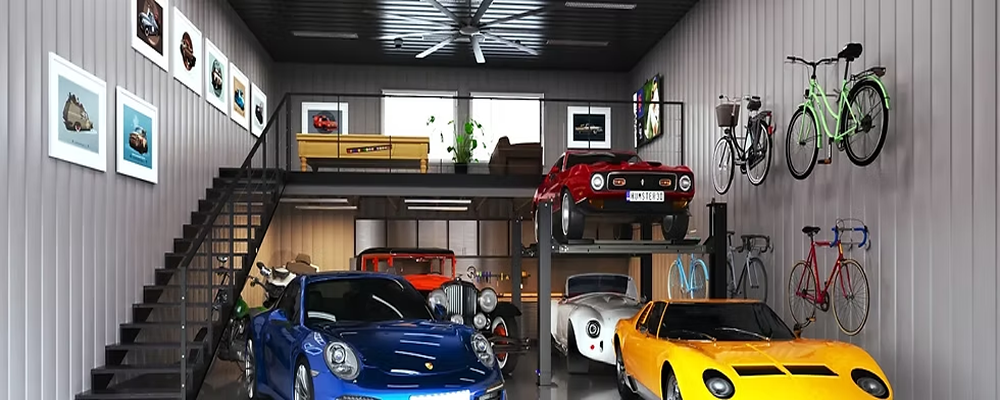
Luxury RV storage transforms the ordinary act of parking into a high-end experience. Instead of leaving your motorhome exposed to the elements, you keep it in a space designed to protect, preserve, and showcase it. At Bayside Garages , every unit is enclosed, secure, and customizable. From the flooring beneath your tires to the technology controlling your doors, each detail reflects quality and care. It’s storage that works as hard as you do and looks good doing it. Does Luxury Storage Make a Difference in Vehicle Lifespan? Absolutely. Indoor, climate-stable environments dramatically reduce wear and tear on RVs and specialty vehicles. Protection from Environmental Damage Sun, humidity, and temperature swings can destroy paint, seals, and interiors. By shielding your RV from these elements, you extend its life and maintain its condition year-round. Fewer Repairs and Less Maintenance When your RV stays indoors, it avoids the environmental stress that leads to costly fixes. Seals stay tight, roofs stay clean, and batteries hold their charge longer. Higher Resale Value RVs stored in climate-controlled settings retain up to fifteen percent more resale value after five years compared to outdoor-stored vehicles . Proper storage pays for itself by reducing depreciation and repair costs. Simply put, every season your RV spends in protected storage adds life to its structure and value to your investment. How Luxury RV Storage Differs from Standard Storage Luxury RV storage takes what traditional facilities offer and elevates it through smarter design, stronger materials, and advanced technology. Protection Upgrades Fully enclosed, climate-stable units protect from sun, snow, and humidity. Paved surfaces with professional drainage prevent corrosion and wear. Advanced security systems use motion detection, surveillance, and digital access logs for peace of mind. Experience Upgrades Bayside Garages integrates craftsmanship, innovation, and customization into every unit. Custom Epoxy Flooring Custom epoxy flooring adds durability and visual appeal. Choose from high-gloss, matte, or metallic finishes that resist stains, moisture, and wear. The surface is anti-slip for safety and easy to maintain, keeping your garage spotless and polished year after year. It’s a small detail that makes a big impression the moment you open the door. Water and Electrical Upgrades With custom water hookups and high-voltage electrical outlets, you can prep your RV before a trip or perform maintenance without leaving your garage. These utilities transform your unit into a self-sufficient workspace, whether you’re washing the exterior, running onboard systems, or powering tools and accessories. Vehicle Lifts and Hoists Custom vehicle lifts and hoists allow you to store multiple vehicles vertically, doubling your usable area without sacrificing accessibility. Smart Tech Integration Smart tech integration lets you control lighting, climate, and security with your voice or smartphone. Adjust the temperature before you arrive, check your security cameras remotely, or set the perfect lighting with a simple command. It’s practical innovation that keeps your space connected and under your control. Automated Roll-Up Doors Automated roll-up doors use Wi-Fi connectivity for remote operation, so you can open or close your garage from anywhere. With sleek design and quiet operation, these doors combine convenience with modern style. What Kind of Vehicles Use Luxury RV Storage? What Kind of Vehicles Use Luxury RV Storage? Luxury RV storage is designed for a wide range of vehicles, from elegant motorhomes to specialized adventure rigs. Each one has its own personality and purpose, and each benefits from a space built with the same attention to quality and detail. Class A Motorhomes These are the showstoppers of the RV world. These massive luxury coaches that feel more like penthouses on wheels. Models like the Tiffin Phaeton , or Entegra Cornerstone often feature marble countertops, king-size beds, heated floors, and full residential kitchens. Many include advanced driver-assist systems, solar integration, and custom paint jobs, all of which deserve protection under a premium roof. Fifth Wheels and Toy Haulers If Class A motorhomes are luxury buses, fifth wheels are their towable cousins. These spacious trailers connect to the bed of a heavy-duty truck and often include multiple slide-outs, lofts, and full kitchens. Popular examples include Grand Design Solitude , Keystone Montana, and Jayco North Point. Toy haulers, such as the Keystone Fuzion or Forest River XLR Nitro , add a built-in garage bay for ATVs, bikes, or gear. Owners love the flexibility but need large, well-designed storage spaces with power access and room to maneuver. Collector or Vintage RVs Think of polished Airstream Classics or restored Winnebagos. These vehicles often feature aluminum shells, retro interiors, and custom finishes. Indoor luxury storage helps preserve their charm by minimizing exposure to moisture, oxidation, and UV damage. Overland and Expedition Vehicles Built for serious adventure, these rigs handle terrain where regular RVs fear to tread. Vehicles, for example, like the EarthRoamer LTi or Storyteller Overland Beast Mode include solar power systems, reinforced exteriors, onboard water systems, and off-road tires. Owners of these adventure-ready machines value storage with high ceilings and power access to keep all their gear and systems ready for the next off-grid journey. Luxury Travel Trailers Luxury travel trailers blend high-end interiors with mobility. Models such as the Airstream Globetrotter , Bowlus Volterra, or Oliver Legacy Elite II feature premium materials, panoramic windows, and boutique finishes. Because they move but don’t self-propel, owners often store them while awaiting the road. Climate-controlled indoor storage preserves their refined finishes, wood accents, and design details. Why Luxury RV Storage Is Worth It Luxury RV storage delivers more than a clean parking space. It protects your investment, extends your vehicle’s lifespan, and adds daily convenience to ownership. By investing in a custom-built, climate-stable, and tech-integrated space, you reduce maintenance, protect resale value, and gain confidence every time you travel. The Bayside Garages Difference Your RV deserves more than a parking spot. It deserves a space that matches its value and craftsmanship. Luxury RV storage isn’t about excess. It’s about protecting what matters, enhancing convenience, and creating a space you’re proud to use. When you store with Bayside, you invest in more than security. You invest in a space designed for performance, longevity, and ease. Explore what makes luxury RV storage truly different and discover why more RV owners are choosing a smarter, more refined way to store.

Ready to explore how a luxury storage condo can fit into your lifestyle? Bayside Luxury Garages can help you decide whether buying or renting is right for you.
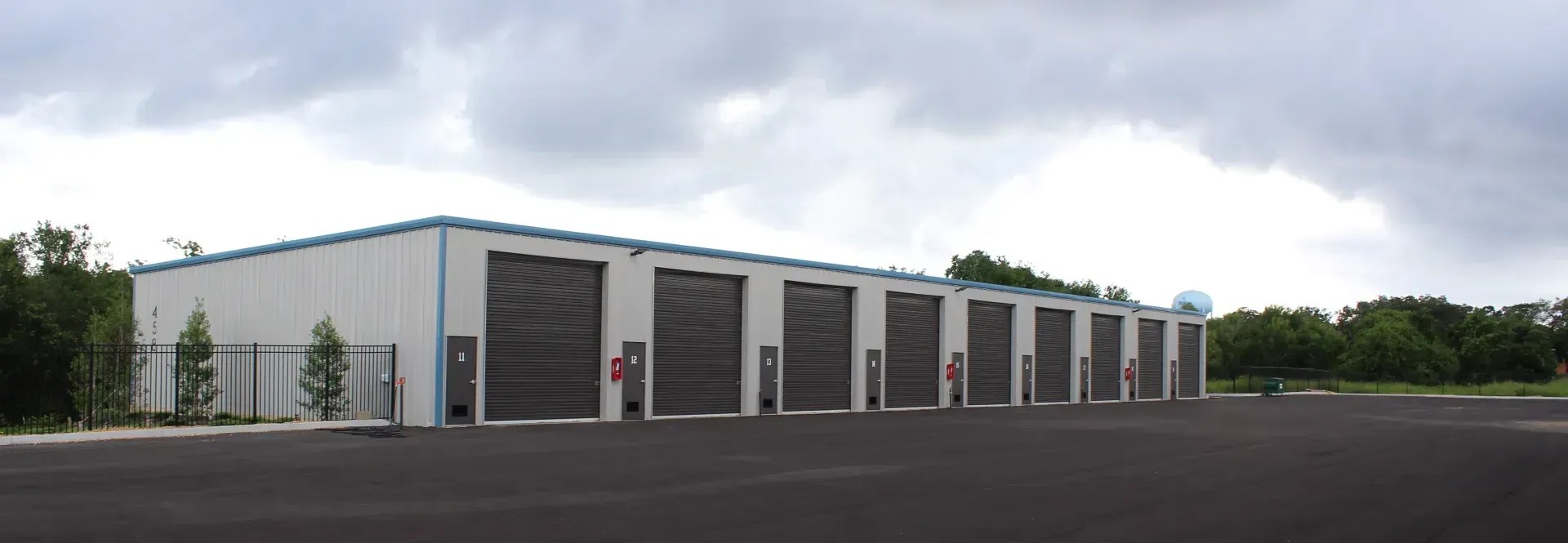
These aren’t just storage units—they’re customizable and often become an extension of someone’s lifestyle. Let’s dig into how people actually use them.
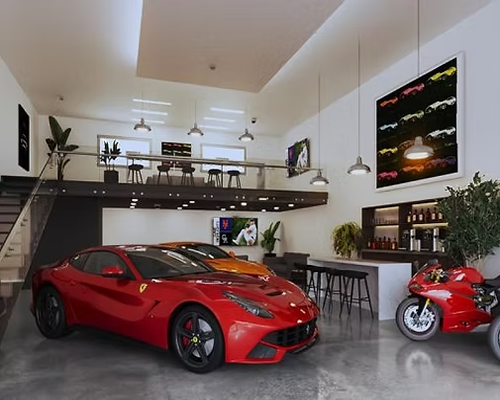
A luxury garage, is a privately owned real estate unit designed for people who need more than the typical roll-up storage locker. Learn why you should buy one here.
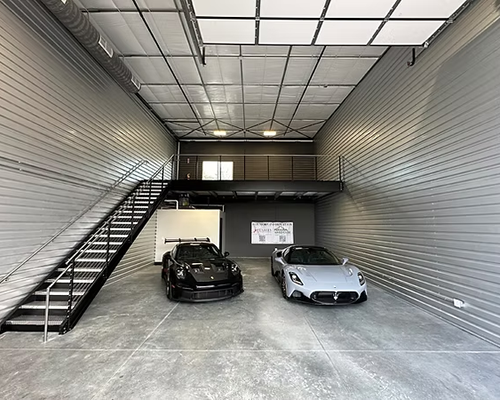
Learn about the advantages and disadvantages of renting vs buying a luxury storage condo in this article from Bayside Luxury Storage.